
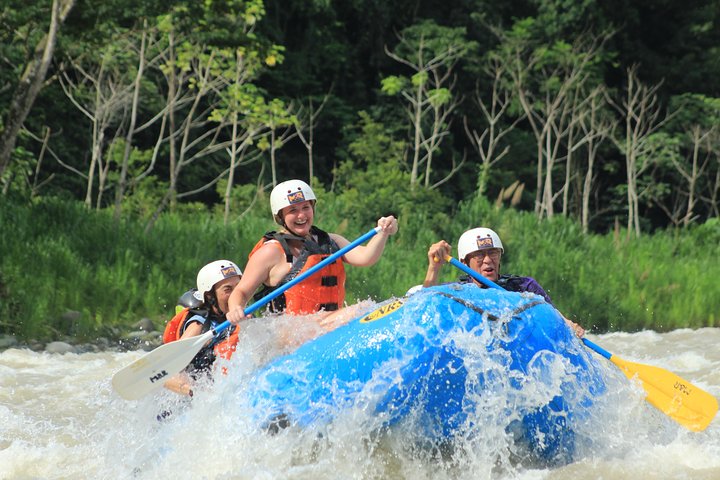
Savegre River Break: Half-Day Rafting Through Costa Rica’s Pristine Gorge
Half a day of playful rapids, rainforest, and a waterfall pause—perfect for an accessible dose of Costa Rican river wilderness.
The raft rises and falls like a small animal, obeying currents and dodging boulders as if the river itself were testing your curiosity. Early light slices through the canopy, turning spray into a fine, glittering curtain; birds call from hidden ledges and, downstream, the river coughs over a drop that promises a cool, unexpected interruption. This is the Savegre—one of Central America’s cleanest rivers—and for five and a half hours it will both push and pamper you: class II and III rapids that skirt the edge of wild but generous terrain, and a waterfall break where guides unstrap the day and invite you to swim and explore.
Trail Wisdom
Bring a waterproof case
Phone and camera protection prevents water damage during splashy Class III sections and the waterfall break.
Wear secure water shoes
Closed or strap-backed water shoes protect feet on slick rocks and make paddling more comfortable.
Hydrate before and after
Tropical heat and physical paddling demand pre-trip hydration and electrolyte replacement afterward.
Start early to avoid afternoon showers
Morning departures reduce the chance of afternoon rains and typically mean calmer flows during the wet season.
Local Knowledge
Hidden Gems
- •A quiet rock pool downstream of the main waterfall for short swims
- •Small side streams where you can listen to frogs and spot kingfishers away from the raft
Wildlife
Howler Monkey, Trogon/Toucan species
Conservation Note
The Savegre basin has benefited from local conservation efforts and protected area designations—operators emphasize low-impact practices to maintain water quality and habitat.
The Savegre River valley was historically used by indigenous groups and early settlers for fishing and small-scale agriculture, and later gained attention for conservation due to its biodiversity.
Seasonal Guide
spring
Best for: Dry-season clarity, Stable flows, Wildlife viewing
Challenges: Higher demand, Warmer temperatures
Spring (dry season) offers the most predictable river conditions and clearer skies—expect steady flows and lively wildlife.
summer
Best for: Lush rainforest scenery, Lower crowds late season
Challenges: Afternoon storms, Higher water levels in early summer
Summer brings verdant banks and robust waterfalls but also afternoon rain and sometimes faster flows—listen to guides for safety.
fall
Best for: Fewer tourists, Green landscapes
Challenges: Unpredictable rains, Possible higher flows
Fall can be quieter and visually rich; be prepared for variable weather and occasional swollen sections after heavy rain.
winter
Best for: Dramatic water levels, Powerful waterfall breaks
Challenges: Heavy rains, Trip cancellations due to unsafe flows
Winter brings the most intense river conditions; experienced guides may run sections selectively, but expect possible cancellations on big-rain days.
Photographer's Notes
What to Bring
Quick-dry clothingEssential
Dries fast after swims and keeps you comfortable through wet patches.
Sturdy water shoesEssential
Protects feet on slippery river rocks and provides traction in the raft.
Dry bag (small)Essential
Keeps valuables and a spare set of clothes dry during the trip.
Reef-safe sunscreen & hat
Protects skin in tropical sun without harming freshwater ecosystems.
Common Questions
How long is the trip door-to-door?
Expect about 5–6 hours total including transfers, safety briefing, and the on-river experience.
Is rafting suitable for beginners?
Yes—this trip uses Class II–III rapids suitable for people with no prior rafting experience, under guide supervision.
Are life jackets and helmets provided?
Yes; reputable operators provide and fit all safety gear as part of the trip price.
What is the minimum age or fitness requirement?
Age minimums vary by operator, but families with older children (often 8–12+) are commonly accepted; basic swimming ability is recommended.
Can trips be canceled for weather?
Yes—heavy rains or unsafe water levels can lead to cancellations; check guide cancellation policies and weather forecasts.
Are transfers from Quepos or Manuel Antonio included?
Many tours include round-trip transportation from central Quepos or Manuel Antonio—confirm at booking.
What to Pack
Waterproof phone case (protect electronics), quick-dry clothes (comfort after swims), reef-safe sunscreen (skin protection), secure water shoes (traction on rocks)
Did You Know
In 2017 the Savegre River Basin was recognized by UNESCO as a Biosphere Reserve in recognition of its high biodiversity and water quality.
Quick Travel Tips
Book morning departures to avoid afternoon rains; bring small bills for tips; wear biodegradable sunscreen; confirm pickup location in advance.
Local Flavor
After the river, head back toward Quepos or Manuel Antonio for fresh ceviche and cold local beer—El Avión or Café Milagro (Manuel Antonio area) are popular local options; roadside sodas offer authentic Costa Rican homestyle meals.
Logistics Snapshot
Closest major airport: Juan Santamaría International (SJO) near San José (~2.5–3 hours drive to Quepos); Driving distance from Quepos to river put-in: ~30–60 minutes depending on operator; Cell service: intermittent in the gorge—expect limited reception on-river; Permits/Passes: No public permits required, but operator waivers are standard.
Sustainability Note
The Savegre basin is ecologically sensitive—use reef-safe sunscreen, pack out all trash, follow guide directions, and avoid touching wildlife or disturbing riverbanks.
Continue Reading

First Waves on the Grand Strand: Surf Lessons in Myrtle Beach
Learn to stand up on your first wave on the Grand Strand. Myrtle Beach’s gentle breaks and experienced instructors make it an ideal place for beginners to get comfortable on a board—and then explore the surf culture that grew around it.
Myrtle Beach, South Carolina

Chasing Cascades: A Half-Day Hike From Asheville to Waterfalls and Wildwoods
In four hours you can move from Asheville's streets into cathedral-like forest and the roar of mountain waterfalls. This guided half-day hike pairs scenic cascades with a certified naturalist to turn scenery into story.
Asheville, North Carolina