
Morning Cruise: A 4.5-Hour Sea Escape from Puerto Rico, Gran Canaria
For all ages! • 4.5hs • Food and drinks included
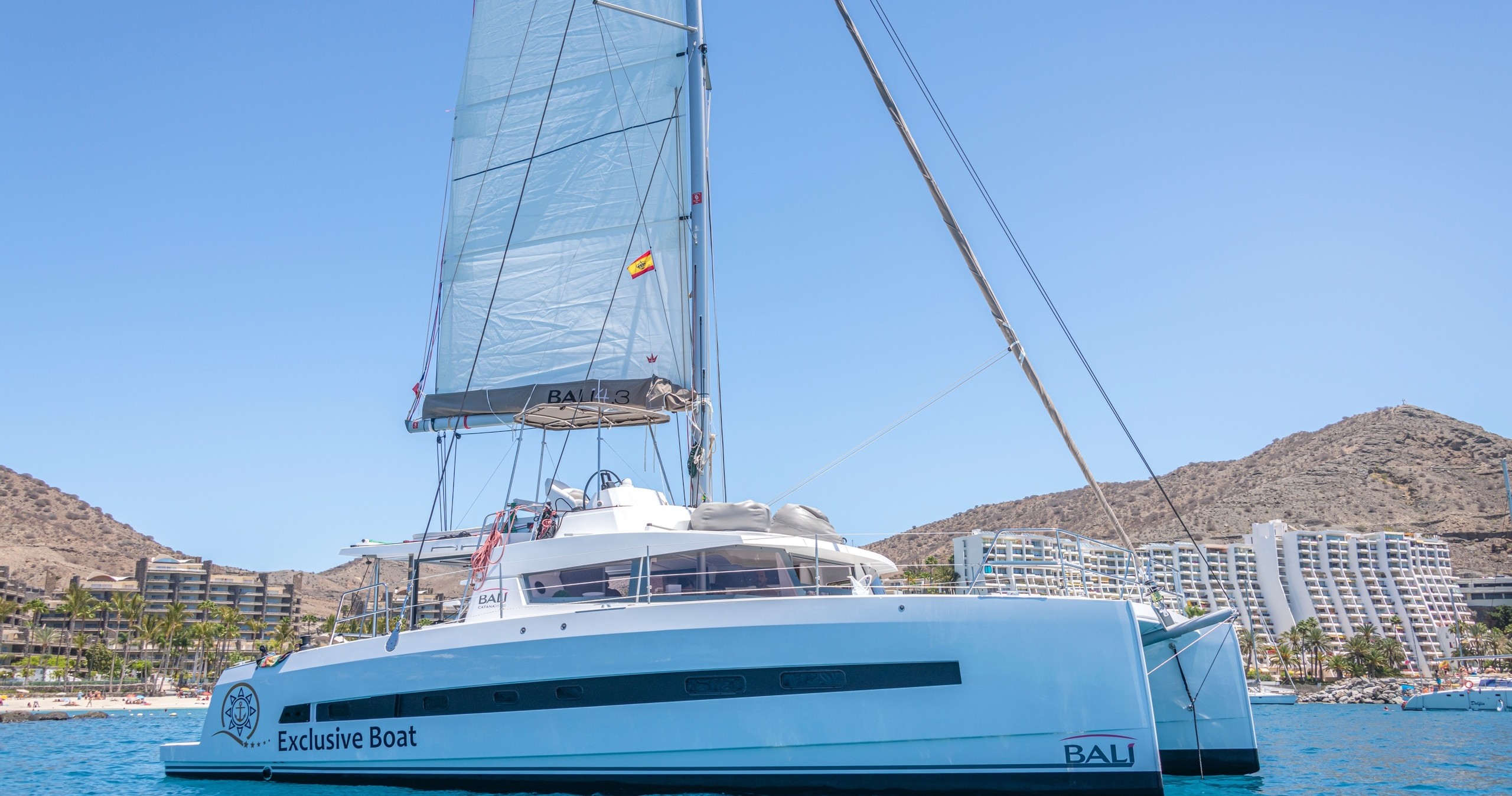
The boat nudges away from Puerto Rico’s marina just after breakfast; gulls argue overhead and the Atlantic breathes against the hull. You feel the pull of the current as the coast begins to unspool—rocky coves, sugar-sand slivers, the white terraces of holiday complexes—and the island’s geology reads like a map of slow, volcanic patience. For the next four-and-a-half hours the sea will set the pace: one mile from shore toward Mogán’s sheltered harbor and caves, a halt at Perchel for a thrum of activity in the water, then a calm crossing to Tasarte where lunch arrives by kayak. It’s a day that stitches swimming, snorkeling, paddling, and the sudden vertigo of parasailing into one tidy loop of seaside motion.
Trail Wisdom
Book parasailing early
Parasail spots are limited—reserve when you book to guarantee a slot and your preferred timing.
Bring reef-safe sunscreen
Protect the ocean and your skin—crews expect responsible sun protection while snorkeling.
Pack a small dry bag
Keep your phone, wallet, and a light layer dry during stops and transfers from boat to beach.
Morning sail for calmer seas
Choose morning departures when wind and swell are typically lower for smoother swimming and photos.
Local Knowledge
Hidden Gems
- •Kayak-accessible Tasarte beach for a quieter lunch experience
- •Coastal caves near Mogán—best viewed from the southern side for light angles
Wildlife
Common dolphins in offshore waters, Mediterranean gulls and shearwaters along the cliffs
Conservation Note
Posidonia seagrass meadows are ecologically important in Canary waters—anchor carefully and avoid disturbing shallow meadows; operators follow guidelines to reduce impacts.
Southern Gran Canaria developed around fishing and small-scale agriculture; the modern resort spine—Puerto Rico, Taurito, Amadores—grows from tourist development in the late 20th century.
Seasonal Guide
spring
Best for: Calmer seas, Wildflower coastline, Family-friendly water temps
Challenges: Occasional northerly winds, Variable swell in late spring
Spring brings mild temperatures and calmer seas ideal for snorkeling and family outings; watch for windy days as the season shifts.
summer
Best for: Warm water, Full water sports program, Longer daylight
Challenges: More tourists, Stronger sun—heat
Summer guarantees warm water and full activity availability but expect busier beaches and stronger midday sun—book early.
fall
Best for: Stable marine conditions, Clear skies, Less crowded beaches
Challenges: Occasional passing storms, Transitional winds
Autumn is often the sweetest time for this cruise—warm water, steady conditions, and fewer crowds make for comfortable stops.
winter
Best for: Mild winter escapes, Good for off-season rates, Calmer seas on protected days
Challenges: Cooler water temps, Higher swell on unsettled days
Winter on Gran Canaria is mild compared with northern Europe, but water temperatures drop and certain days can be choppier—check forecasts.
Photographer's Notes
What to Bring
Reef-safe sunscreenEssential
Protects skin and local marine life while snorkeling.
Water shoesEssential
Helpful for beach exits/entries and rocky shorelines at caves.
Mask/snorkel set
Personal mask fits better than rental gear and improves your snorkeling time.
Light windbreaker
Keeps you comfortable on the open-deck sail back when breezes pick up.
Common Questions
How long is the trip and what’s included?
The cruise lasts 4.5 hours and includes food (lunch) plus drinks: water, soft drinks, coffee, beer and sangria.
Can children participate in water activities like parasailing?
Age restrictions can vary; parasailing and some powered activities may have minimum age or weight limits—check with the operator when booking.
What is the cancellation policy?
Trips are subject to weather and climate conditions; confirm cancellation terms and potential refunds with the operator at booking.
Is snorkeling gear provided?
Operators typically provide basic snorkeling gear, but bringing your own mask improves fit and hygiene.
How do we get lunch on board?
Lunch is delivered to the boat by kayak from Tasarte’s beach, a distinctive and local touch of this cruise.
Do I need to know how to swim?
Basic swimming ability is recommended for water stops; the crew provides life jackets for optional activities and safety briefings.
What to Pack
Swimwear (for water stops); reef-safe sunscreen (protect reefs); water shoes (shore transfers); light windbreaker (cool return sail)
Did You Know
Gran Canaria is a volcanic island; its dramatic coastline—including caves and basalt cliffs between Puerto Rico and Mogán—was shaped by eruptions and erosion over millions of years.
Quick Travel Tips
Fly into Gran Canaria Airport (LPA); allow 40–50 minutes drive to Puerto Rico; morning departures give calmer seas; carry euros and a small dry bag.
Local Flavor
After the cruise head to Puerto Rico marina or the Amadores promenade for fresh seafood, grilled fish and local Canarian dishes like papas arrugadas with mojo; look for small beachside chiringuitos and local wines to round out the day.
Logistics Snapshot
Closest airport: Gran Canaria Airport (LPA) ~40–50 min drive; Meeting point: Puerto Rico marina (check operator details); Cell service: generally good along coast but weak in caves; Permits: none typically required—subject to operator guidance.
Sustainability Note
This coastline hosts sensitive seagrass (Posidonia) and coastal habitats—use reef-safe sunscreen, avoid anchoring on meadows, and pack out all trash to minimize impacts.
Continue Reading

First Waves on the Grand Strand: Surf Lessons in Myrtle Beach
Learn to stand up on your first wave on the Grand Strand. Myrtle Beach’s gentle breaks and experienced instructors make it an ideal place for beginners to get comfortable on a board—and then explore the surf culture that grew around it.
Myrtle Beach, South Carolina

Chasing Cascades: A Half-Day Hike From Asheville to Waterfalls and Wildwoods
In four hours you can move from Asheville's streets into cathedral-like forest and the roar of mountain waterfalls. This guided half-day hike pairs scenic cascades with a certified naturalist to turn scenery into story.
Asheville, North Carolina