
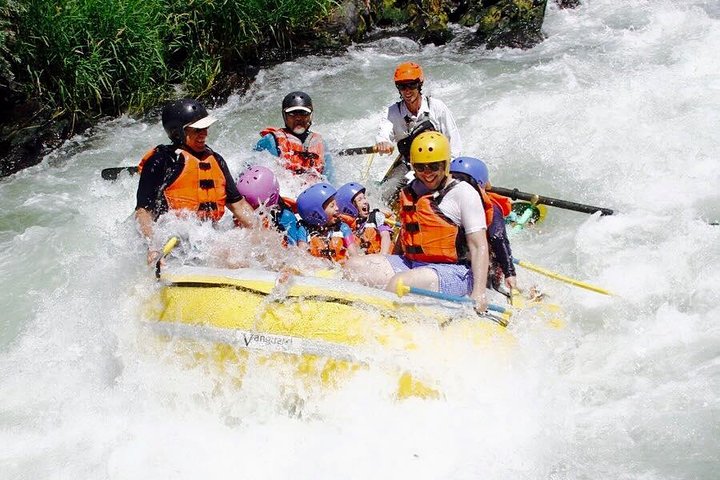
Midday Charge on the Rogue: Intro to Whitewater from Ashland
A tight, thrilling 5.5-mile whitewater run that turns novice paddlers into river people in an afternoon.
By late morning the van hums out of Ashland and the green of the valley takes a different pitch—more jagged, more immediate. Conifers stack up along the highway and the air picks up the resinous, sunbaked scent that belongs to the Rogue River canyon. You leave a town of theaters and tapas behind and, within an hour, meet the river where it flexes hard: a 5.5-mile stretch of concentrated rapids that makes even a half-day feel like a proper adventure.
Trail Wisdom
Secure Footwear
Wear closed-toe shoes that drain and stay on—no flip-flops; the boat and river can be slippery.
Hydrate Before Launch
Drink water and consider an electrolyte mix before boarding; the canyon’s sun plus exertion adds up.
Use a Small Dry Bag
Bring a compact dry bag for phone, keys, and sunscreen; wrap electronics to keep them safe in spray.
Listen to Your Guide
Follow commands immediately—safety, strokes, and seating are all synchronized for a reason.
Local Knowledge
Hidden Gems
- •Pull-out eddies with calm water for quick cliffside snack stops
- •Short river-side trails near the take-out that are good for a warm-down walk
Wildlife
American bald eagle, River otter
Conservation Note
The Rogue includes federally protected stretches—respect shoreline habitats, pack out all trash, and follow guide instructions to minimize riverbank impact.
The Rogue River corridor has long been home to Indigenous peoples and later attracted miners and loggers; sections of the river were among the early additions to the National Wild and Scenic Rivers System.
Seasonal Guide
spring
Best for: High flows and big rapids, Wildflower displays
Challenges: Cooler water and air temperatures, Variable flows after storms
Spring brings snowmelt-fed, stronger currents—brighter rapids and colder conditions; dress in layers and expect a more technical run.
summer
Best for: Warmer weather and water, Stable conditions for families
Challenges: Lower flows can reduce rapid size, Hot midday sun in canyon stretches
Summer is the most popular season: warm air, comfortable water temperatures, and predictable runs—ideal for first-timers.
fall
Best for: Color in the foothills, Fewer crowds
Challenges: Cooling temperatures, Potential for early storms
Fall narrows the season window but rewards rafters with quieter launches and crisp canyon air—pack warm layers for post-run.
winter
Best for: Off-season solitude, Simpler scheduling if open
Challenges: Cold temperatures, Reduced commercial operations and possible closures
Winter runs are infrequent and cold; if available, expect slick conditions and limited services—thermal layers and a dry bag are essential.
Photographer's Notes
What to Bring
Closed-toe river shoesEssential
Keep feet protected and secure on wet ramps and in the raft.
Quick-dry layersEssential
Light synthetic layers wick water and dry fast between rapids and post-run.
Small waterproof dry bagEssential
Protects phones, wallet, and sunscreen from spray and dunking.
Sun protection (hat, SPF)
The canyon reflects sun strongly; protect your face and neck during exposed sections.
Common Questions
How old do children need to be to go on this trip?
Minimum age is typically 7–8 years depending on a child’s size, comfort in water, and the operator’s discretion—check with the outfitter before booking.
What is the cancellation policy?
This tour offers free cancellation per the tour listing; confirm current terms and cutoff times at booking.
Will I get wet and what should I wear?
Yes—expect spray and the possibility of partial dunking. Wear quick-dry clothing and closed-toe shoes; the operator provides PFDs and helmets.
Is prior rafting experience required?
No—this is an introductory whitewater run designed for first-timers and families guided by experienced crew.
How physically demanding is the trip?
Moderate—there are moments of intense paddling in rapids, but guides pace the trip and offer clear instruction for all fitness levels.
What should I do if I get seasick or fear water?
Tell your guide before launch; they can position you in the raft for comfort, and anti-nausea meds taken beforehand can help with sensitivity to motion.
What to Pack
Closed-toe river shoes, quick-dry layers, small dry bag for phone, sunscreen and water—protects feet, keeps you comfortable, secures valuables, and prevents sunburn
Did You Know
The Rogue River was one of the early rivers protected under the National Wild and Scenic Rivers System—Congress recognized the value of parts of the Rogue for its natural, cultural, and recreational significance.
Quick Travel Tips
Fly into Rogue Valley International-Medford (MFR); allow 45–60 minutes drive from Ashland to river meeting points; cell service is intermittent in the canyon—download directions; commercial rafting operators handle permits and safety gear so you don’t need a river permit
Local Flavor
After the run, head back to Ashland for local brews and seasonal fare—Caldera Brewing Company and downtown gastropubs offer solid post-adventure meals; if you have time, catch an Oregon Shakespeare Festival production or stroll the Plaza for local art.
Logistics Snapshot
Closest airport: Rogue Valley International–Medford (MFR); Driving distance from Ashland to river meeting point: ~45–90 minutes depending on launch site; Cell service: intermittent in canyon sections; Permits: none required for commercially guided trips—operator carries necessary permits
Sustainability Note
This river contains federally protected stretches—pack out all trash, avoid disturbing fish spawning areas, and follow your guide’s low-impact instructions to protect shoreline habitats.
Continue Reading

First Waves on the Grand Strand: Surf Lessons in Myrtle Beach
Learn to stand up on your first wave on the Grand Strand. Myrtle Beach’s gentle breaks and experienced instructors make it an ideal place for beginners to get comfortable on a board—and then explore the surf culture that grew around it.
Myrtle Beach, South Carolina

Chasing Cascades: A Half-Day Hike From Asheville to Waterfalls and Wildwoods
In four hours you can move from Asheville's streets into cathedral-like forest and the roar of mountain waterfalls. This guided half-day hike pairs scenic cascades with a certified naturalist to turn scenery into story.
Asheville, North Carolina