
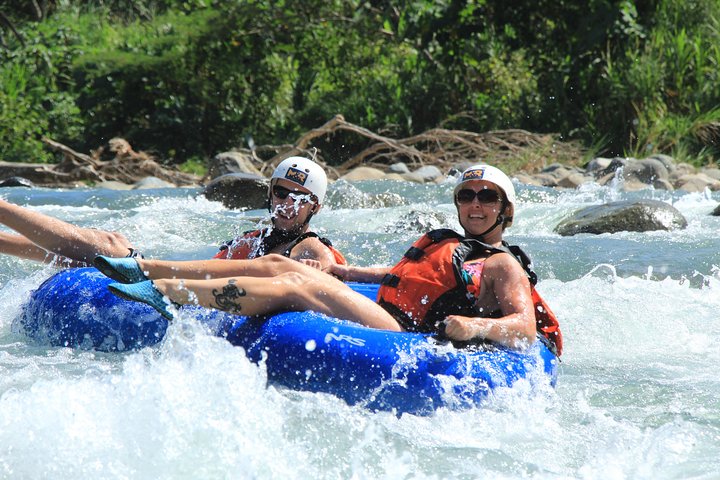
Floating the Savegre: A Half-Day Whitewater Tubing Escape from Quepos
Half a day, full river—class II+ rapids, rainforest scenery, and a local taste of Costa Rica’s Savegre Basin
The river announces itself before you see it—first as a cool scent of wet stone and green, then as a ragged roar that threads through the trees. You step off the shuttle onto a narrow trail where sunlight slants in strips through a low canopy, and the guides already have brightly colored tubes lined up like little life rafts waiting for mischief. Ahead, the Savegre River runs quick and clear, braided around boulders and through tight chutes that dare you to laugh louder.
Trail Wisdom
Wear Grippy Water Shoes
Sturdy water shoes give traction on wet riverbanks and protect toes when entering and exiting the tube.
Use a Dry Bag
Bring a small dry bag for keys, a phone in a waterproof case, and any medication—leave the rest on the shuttle.
Listen to Your Guide
Guides will call lines and manage eddies—follow their instructions to stay safe and make the most of the run.
Hydrate Beforehand
Drink water before the trip; even a half-day in the sun and spray can dehydrate you quicker than you think.
Local Knowledge
Hidden Gems
- •A quiet eddy-side pool ideal for a midday dip and picnic
- •A short jungle trail near the put-in with native heliconia and hummingbird activity
Wildlife
White-faced capuchin monkeys, Green iguanas
Conservation Note
The Savegre watershed benefits from protected-status initiatives; operators emphasize 'leave no trace' practices and avoid single-use plastics during tours.
The Savegre basin has long been a lifeway for local farming communities; in recent decades it has gained national recognition for its ecological importance and the balance between conservation and traditional land use.
Seasonal Guide
spring
Best for: Lower flows, Warm, sunny weather, Wildlife viewing
Challenges: Lower water in late spring may reduce rapid intensity, Sun exposure on open sections
March–May gives a comfortable mix of warm weather and manageable flows—good for first-timers and photographers.
summer
Best for: Lush rainforest backdrop, Higher flows for punchier rapids
Challenges: Afternoon showers, Slippery trails to put-in points
June–August brings denser green and some increased water levels; expect short rainfall and vibrant jungle scenery.
fall
Best for: Fewer tourists, Energetic river runs
Challenges: Higher, faster water can feel more challenging, Possible muddy access roads
September–November is wetter; the river runs fuller and faster—appealing for those seeking livelier rapids.
winter
Best for: Dry, stable conditions, Sunny beach combos after the run
Challenges: Higher tourist numbers in peak months, Reserved bookings advised
December–February (local dry season) offers reliable weather and warm sun—ideal for combining tubing with Manuel Antonio beaches.
Photographer's Notes
What to Bring
Closed-toe Water ShoesEssential
Protects feet from sharp rocks and gives traction on wet surfaces.
Lightweight Rash Guard
Sun protection that dries quickly and resists chafing from the tube.
Small Dry BagEssential
Keeps phone, wallet, and keys safe and dry during choppy sections.
Reusable Water BottleEssential
Staying hydrated before and after the run is important in the tropical heat.
Common Questions
How long is the river section we tube on?
The full experience lasts about five hours including shuttle time; on-river time varies with water level but typically includes several miles of tubing with multiple rapid sections.
Is previous whitewater experience required?
No—this run is designed for beginners to intermediate adventurers, though you should be comfortable in moving water and able to swim.
What safety gear is provided?
The operator provides helmets, life jackets, and a safety briefing; guides accompany the group and monitor key rapid sections.
Can children participate?
Children who can swim and meet minimum age/size requirements (check with the operator) may join; family-friendly groups are common but verify specific restrictions when booking.
What should I wear?
Wear a swimsuit or quick-dry clothing, a rash guard for sun protection, and closed-toe water shoes; leave loose jewelry at home.
How do I get there from San José?
Most travelers arrange shuttle pickup in Quepos or Manuel Antonio; from San José it’s roughly a 3–4 hour drive depending on traffic and route.
What to Pack
Water shoes, dry bag for electronics, reef-safe sunscreen, reusable water bottle — for traction, protection, hydration, and keeping gear dry.
Did You Know
The Savegre River basin was designated a UNESCO Biosphere Reserve in 2017 for its exceptional biodiversity and intact watershed (a verifiable international designation).
Quick Travel Tips
Book transfers and tours in advance during December–April; bring local cash for tips and snacks; expect patchy cell service in the canyon; check river level updates if traveling in rainy season.
Local Flavor
After the run, head to Quepos or Manuel Antonio for fresh ceviche, a cold imperial lager, or a casual seafood meal at a beachfront sodita; local artisans sell carved wooden crafts and coffee from the Central Highlands.
Logistics Snapshot
Closest airport: Juan Santamaría (SJO) or Quepos La Managua (XQP); Driving time from San José ≈3–4 hours; Meeting point: central Quepos pickup or arranged hotel transfer; Cell: patchy in canyon; Permits: none required for visitors—operator handles access.
Sustainability Note
This is a river-centered experience in a protected watershed—pack out all trash, avoid disturbing wildlife, and follow guide instructions to minimize shore and riverbed impact.
Continue Reading

First Waves on the Grand Strand: Surf Lessons in Myrtle Beach
Learn to stand up on your first wave on the Grand Strand. Myrtle Beach’s gentle breaks and experienced instructors make it an ideal place for beginners to get comfortable on a board—and then explore the surf culture that grew around it.
Myrtle Beach, South Carolina

Chasing Cascades: A Half-Day Hike From Asheville to Waterfalls and Wildwoods
In four hours you can move from Asheville's streets into cathedral-like forest and the roar of mountain waterfalls. This guided half-day hike pairs scenic cascades with a certified naturalist to turn scenery into story.
Asheville, North Carolina